Can a VIN Number Reveal Vehicle Specifications?
Learn how VIN numbers reveal vehicle specifications including engine type, trim level, body style, transmission, fuel system, and manufacturing details.
1 min read
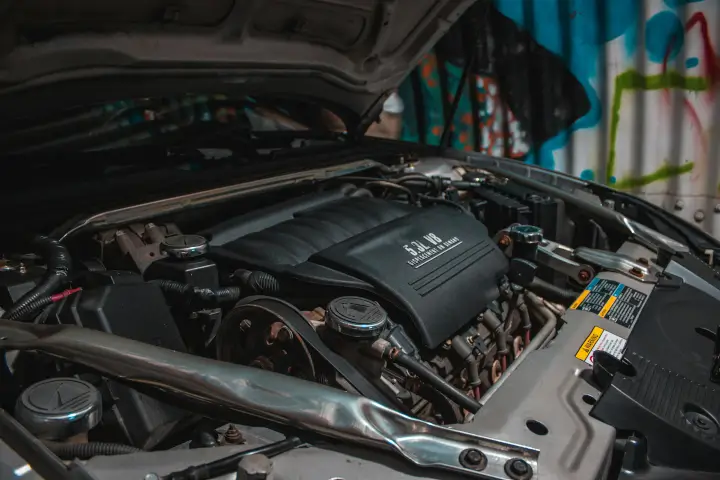
Can a VIN Number Reveal Vehicle Specifications?
Many vehicle owners and buyers are surprised by how much information is stored inside a VIN number. A VIN, or Vehicle Identification Number, contains detailed manufacturing and configuration information that helps identify a vehicle accurately.
VIN decoding allows users to translate the 17-character VIN into readable vehicle specifications.
Manufacturers, repair shops, dealerships, insurance providers, and buyers all rely on VIN decoding to verify important vehicle details.
What Is a VIN Number?
A VIN is a unique 17-character identifier assigned to every modern vehicle during manufacturing.
Each VIN contains important information such as:
- Manufacturer details
- Vehicle type
- Engine specifications
- Body style
- Production year
- Assembly plant
- Serial number
Every VIN is unique to a single vehicle.
How VIN Decoding Works
VIN decoding translates the VIN into readable information.
Different sections of the VIN identify:
- Vehicle manufacturer
- Vehicle configuration
- Engine type
- Production details
- Model year
VIN decoders compare the VIN against manufacturer databases and VIN standards.
What Vehicle Specifications Can a VIN Reveal?
Manufacturer Information
The first section of the VIN identifies the manufacturer and production region.
VIN decoding may reveal:
- Vehicle brand
- Production country
- Vehicle category
Engine Specifications
VIN decoders often provide detailed engine information including:
- Engine displacement
- Fuel type
- Cylinder count
- Turbocharged systems
- Hybrid systems
Engine verification is especially important for used vehicle buyers.
Body Style
VIN numbers can identify body configurations such as:
- Sedan
- SUV
- Hatchback
- Coupe
- Pickup truck
- Convertible
Transmission Type
Many VIN decoders reveal:
- Automatic transmission
- Manual transmission
- CVT systems
- Dual-clutch systems
Trim Level Information
Trim levels affect vehicle features and market value.
VIN decoding may identify:
- Base trims
- Sport packages
- Luxury packages
- Premium editions
Drivetrain Information
VIN decoding may also identify:
- Front-wheel drive
- Rear-wheel drive
- All-wheel drive
- Four-wheel drive
Production Year
The VIN contains a model year identifier.
VIN decoding helps confirm whether the vehicle's advertised year matches its official production year.
Assembly Plant Information
The VIN also identifies the manufacturing plant.
Manufacturers use this information for:
- Quality control
- Recall tracking
- Production management
Why Vehicle Specifications Matter
Accurate specifications are important for:
- Vehicle buyers
- Mechanics
- Insurance companies
- Dealerships
- Repair shops
Incorrect specifications may lead to:
- Wrong replacement parts
- Insurance issues
- Fraud risks
- Incorrect vehicle valuation
VIN Decoding and Used Vehicle Purchases
Used vehicle buyers should always decode the VIN before purchase.
VIN checks help confirm:
- Engine authenticity
- Model year accuracy
- Vehicle configuration
- Trim level
VIN verification improves transparency and reduces fraud risks.
VIN Numbers and Replacement Parts
Repair shops use VIN decoding to identify compatible components.
This helps mechanics:
- Reduce repair errors
- Order correct parts
- Improve repair efficiency
VIN Decoding and Fraud Prevention
VIN decoding helps identify suspicious vehicles.
Warning signs include:
- Mismatched specifications
- Invalid VIN structures
- Incorrect production years
- Altered VIN labels
Frequently Asked Questions
Can VIN numbers reveal exact trim levels?
Many VIN decoders provide detailed trim and package information.
Are online VIN decoders accurate?
Reliable VIN decoders use updated manufacturer databases.
Can VIN decoding reveal accident history?
VIN decoders mainly focus on specifications rather than historical events.
Final Thoughts
VIN numbers contain a large amount of vehicle information. VIN decoding helps buyers, mechanics, dealerships, and vehicle owners verify specifications accurately and improve transparency.
Whether purchasing a vehicle, ordering replacement parts, or verifying authenticity, VIN decoding is an essential automotive tool.