How VIN Decoders Help Vehicle Owners and Mechanics
Learn how VIN decoders help vehicle owners, mechanics, dealerships, and repair shops identify specifications and improve repair accuracy.
1 min read
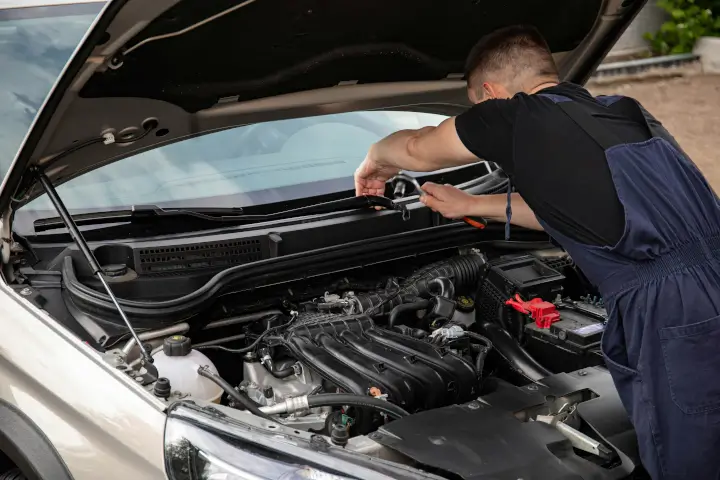
How VIN Decoders Help Vehicle Owners and Mechanics
VIN decoders are valuable tools used throughout the automotive industry. Vehicle owners, mechanics, dealerships, insurance companies, and repair shops all rely on VIN decoding to identify important vehicle information quickly and accurately.
Understanding how VIN decoders work can help users make smarter decisions related to maintenance, repairs, insurance, and vehicle verification.
What Is a VIN Decoder?
A VIN decoder is a tool that translates a vehicle's 17-character VIN into readable information.
VIN decoding can reveal:
- Manufacturer details
- Engine specifications
- Transmission type
- Body style
- Trim level
- Model year
- Assembly plant
Why Vehicle Owners Use VIN Decoders
Vehicle owners use VIN decoders for many reasons.
Verifying Vehicle Specifications
Owners may need to confirm:
- Engine size
- Fuel type
- Transmission
- Drivetrain
Researching Vehicle Recalls
VIN decoding helps determine whether a vehicle may qualify for safety recalls.
Identifying Replacement Parts
Accurate VIN information helps identify compatible replacement components.
Confirming Vehicle Identity
VIN checks help owners verify vehicle authenticity and production details.
How Mechanics Use VIN Decoders
Repair shops rely heavily on VIN data during maintenance and repairs.
Identifying Correct Parts
Vehicles often have multiple engine and trim configurations.
VIN decoding helps mechanics identify:
- Correct engine components
- Compatible transmission parts
- Proper suspension systems
- Correct electrical systems
Improving Repair Accuracy
Accurate VIN information reduces repair mistakes and improves efficiency.
Reducing Ordering Errors
Incorrect parts can increase repair costs and delays.
VIN decoding helps ensure compatibility before ordering parts.
VIN Decoding for Dealerships
Dealerships use VIN decoders for:
- Inventory management
- Vehicle verification
- Trade-in evaluations
- Used vehicle sales
VIN checks help dealerships maintain accurate records and improve transparency.
VIN Decoding for Insurance Companies
Insurance providers use VIN data to:
- Verify vehicle configurations
- Calculate risk
- Process claims
- Prevent fraud
VIN decoding improves policy accuracy and reduces errors.
Common Problems VIN Decoding Helps Solve
Incorrect Parts Installation
VIN checks help mechanics avoid installing incompatible components.
Fraud Detection
VIN decoding can reveal mismatched specifications or suspicious VIN structures.
Incorrect Vehicle Listings
VIN checks help verify whether advertised vehicle details are accurate.
Benefits of Online VIN Decoders
Online VIN decoders offer several advantages.
Instant Access
Users can decode VIN numbers within seconds.
Accurate Specifications
Reliable VIN decoders use manufacturer databases.
Better Vehicle Transparency
VIN decoding helps users verify important vehicle details quickly.
VIN Numbers and Vehicle Maintenance
Accurate VIN information improves maintenance planning.
Mechanics may use VIN data to:
- Schedule service intervals
- Identify factory recalls
- Locate compatible fluids and components
Frequently Asked Questions
Can VIN decoding identify exact trim levels?
Many VIN decoders provide detailed trim and equipment information.
Are online VIN decoders accurate?
Reliable VIN decoders use updated manufacturer and industry databases.
Can VIN decoding help identify fake vehicles?
Yes. VIN decoding can reveal inconsistencies that may indicate fraud.
Final Thoughts
VIN decoders are essential tools for vehicle owners, mechanics, dealerships, and insurance providers. VIN decoding improves repair accuracy, helps verify specifications, and reduces fraud risks.
Whether maintaining a vehicle or purchasing a used car, VIN decoding provides valuable information that improves transparency and decision-making.